
Oral health supplements: which ones have human data and which are marketing
After 50 Strong checked every oral supplement with human trials for this guide. The honest map fits in one paragraph. CoQ10, xylitol and named-strain probiotics have real trial data, but every positive trial adds them to professional dental cleaning, never instead of it. Vitamin C helps only when levels are low. Everything else sold for gums, from regrowth promises to generic probiotic blends, outruns its evidence. Below is the ladder, the doses that actually appeared in trials, and the combination rules that keep you safe.
- Best gum data: CoQ10 100 to 120 mg per day as an adjunct to professional cleaning (pocket depth improved 0.41 mm over cleaning alone; certainty very low).
- Best cavity data: xylitol 5 to 10 grams per day, 3 to 5 exposures after meals. Below 3.44 grams per day, no benefit was found.
- Mixed but real: oral probiotics with named strains reduced gum bleeding as an adjunct to deep cleaning.
- Conditional: vitamin C reduces bleeding only when blood levels are low, below 28 micromol per liter.
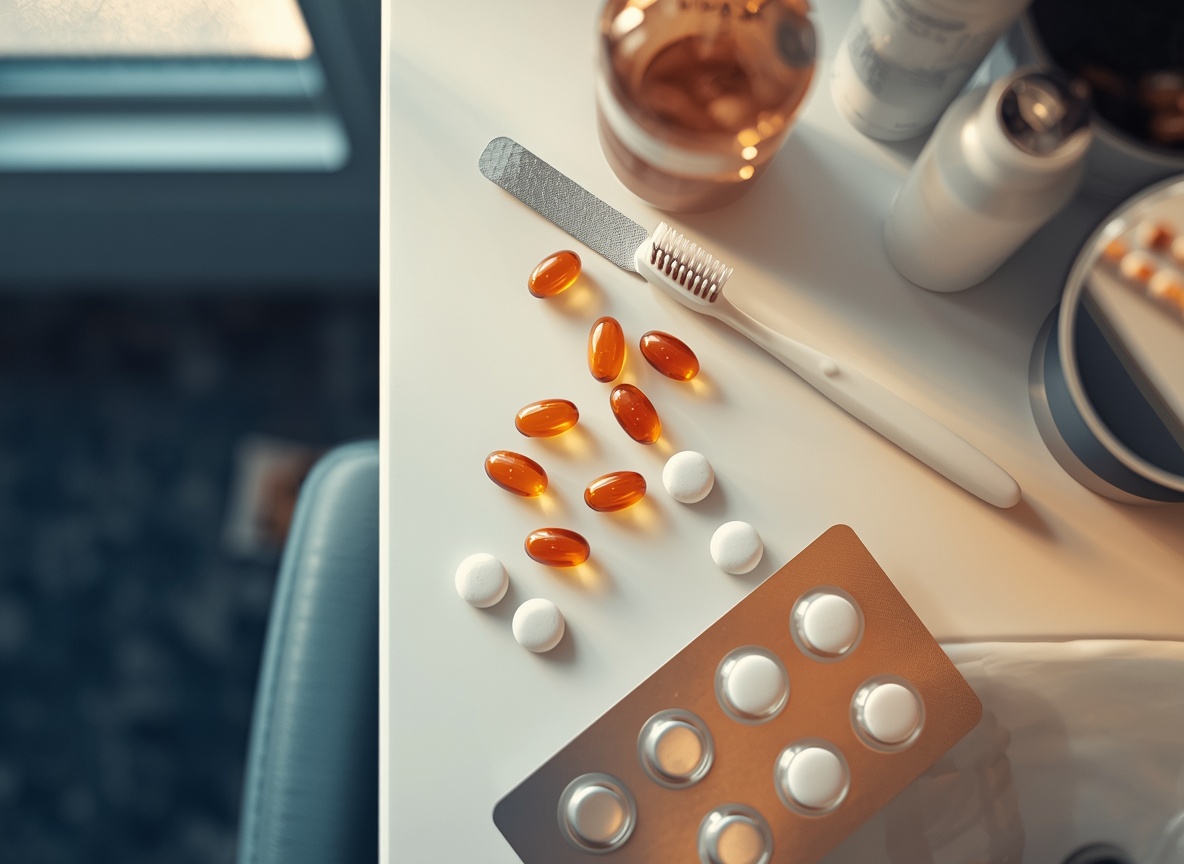
The evidence ladder: three tiers, no hype
Every supplement below was tested in humans. The tiers reflect how the evidence reads when you weigh trial quality, not marketing volume.
Tier 1: trial-backed adjuncts
These have randomized trials behind them, and the pattern is identical: they work next to professional cleaning. CoQ10 at 100 to 120 mg per day improved gum inflammation and added 0.41 mm of pocket-depth reduction and 0.52 mm of attachment gain over cleaning alone in a 2025 systematic review, which rated the certainty of evidence as very low. Small numbers, real direction. Xylitol at 5 to 10 grams per day, split into 3 to 5 exposures, prevented caries in a 2022 meta-analysis, though a Cochrane review rated the evidence low quality and most trials ran in children. Oral probiotics with named strains reduced bleeding on probing as an adjunct to deep cleaning in a 2025 meta-analysis (SMD -0.32); pocket depth did not improve significantly overall, reaching significance only in trials of 12 weeks or less.
Tier 2: conditional
Vitamin C earns its place only as a correction, not a supplement routine. A 2021 meta-analysis of 15 trials found it reduced gingival bleeding when blood levels were low, below 28 micromol per liter (SMD -0.83, 95% CI -1.16 to -0.49), and did not clearly help people whose levels were already adequate. Food first: bell peppers, citrus, kiwi, broccoli. Test before you buy capsules. Source: Hujoel et al., Nutr Rev, 2021.
Tier 3: the skip list
Anything promising to regrow gums or rebuild enamel. Whitening rinses that claim to bleach without peroxide. Generic probiotic blends that hide strains behind a trademark. And oil pulling, an ancient ritual whose best evidence shows it trailing chlorhexidine on plaque, with every outcome graded very low certainty. If a label promises what surgery or fluoride provides, walk away.
The doses that actually appeared in trials
| Supplement | Studied dose | Best human result | Honest grade |
|---|---|---|---|
| CoQ10 (ubiquinone) | 100 to 120 mg per day, with professional cleaning | 0.41 mm pocket-depth reduction and 0.52 mm attachment gain over cleaning alone; certainty very low (Fernandez et al., 2025) | Adjunct with real but small data |
| Xylitol | 5 to 10 g per day, 3 to 5 exposures after meals | Caries prevention, SMD -0.099; benefit vanishes below 3.44 g per day (ALHumaid et al., 2022); Cochrane: low quality | Best-evidenced cavity prevention tool |
| Oral probiotics (L. reuteri DSM 17938 + ATCC PTA 5289) | Named strains, daily, 8 to 12 weeks, after cleaning | Bleeding on probing SMD -0.32 as adjunct; pocket depth not significant overall (p=0.077), only in trials of 12 weeks or less (BMC Oral Health, 2025) | Mixed adjunct; strain identity is everything |
| Vitamin C | Food first; supplementation only when low | Bleeding SMD -0.83 only at baseline levels below 28 micromol per liter (Hujoel et al., 2021) | Conditional: correct a deficiency, not a routine |
| Oil pulling | None established | Gum inflammation improved, but lost to chlorhexidine on plaque; every outcome very low certainty (Jong et al., 2024) | Weakest tool in the kit |
Combination rules: what stacks, what clashes
The three Tier 1 tools stack cleanly because they work through different mechanisms. CoQ10 supports the gum cells doing the repair. Xylitol starves Streptococcus mutans between meals. Probiotics press on the bacterial and inflammatory balance. Taking all three is reasonable; expecting any of them to replace a cleaning is not.
The clashes live in the medicine cabinet, not the supplement shelf:
- Warfarin. CoQ10 can reduce warfarin’s effect and lower INR. If you take warfarin, your doctor needs to know before you start, and INR monitoring tightens. Source: Landbo et al., Ugeskr Laeger, 1998.
- Dogs. Xylitol is toxic to dogs at tiny doses and safe for cats. Every gum pack and mint tin stays behind closed doors. Source: Merck Veterinary Manual.
- Immune suppression. Probiotics carry rare case reports of bloodstream infection in immunocompromised users. Ask the doctor first. Source: NIH Office of Dietary Supplements.
- Chlorhexidine timing. If your dentist prescribes a chlorhexidine course, keep it short: staining, tartar buildup and taste changes appear beyond four weeks of use. Source: Cochrane review of chlorhexidine mouthrinse, 2017.
Frequently Asked Questions
What is the best supplement for gum health?
None wins outright, because each covers a different job. CoQ10 at 100 to 120 mg per day has the most direct gum data as an add-on to professional cleaning. Xylitol at 5 to 10 grams per day is the best-evidenced tool for cavity prevention. Oral probiotics with named strains, such as Lactobacillus reuteri DSM 17938 plus ATCC PTA 5289, reduced bleeding as an adjunct to deep cleaning. Every one of them works alongside dental care, never instead of it.
Do oral health supplements actually work?
Some do, within strict limits. The positive trials share a pattern: they add the supplement to professional cleaning and measure small improvements in inflammation. A 2025 systematic review found CoQ10 added 0.41 mm of pocket-depth reduction and 0.52 mm of attachment gain over cleaning alone, while rating the certainty of evidence as very low. A 2022 meta-analysis found xylitol prevented caries at 5 to 10 grams per day, with a Cochrane review rating the evidence low quality. Real but modest, and every review says the same thing: adjuncts, not treatments.
Can supplements regrow receding gums?
No. No supplement, rinse or home remedy regrows gum tissue. The published success rates for restoring root coverage, 64.4% to 96.6% for connective tissue grafts, belong to periodontal surgery. Supplements can calm inflammation around the tissue you still have. Treat any product promising gum regrowth as marketing.
What supplements help bleeding gums?
First, fix the cause. Most bleeding comes from plaque and heals within one to two weeks of better cleaning. If it persists past two weeks, see a dentist before buying anything. Around that foundation, CoQ10 and named-strain probiotics have adjunct trial data for gum inflammation, and xylitol works upstream on the bacteria behind plaque. Vitamin C helps only when blood levels are actually low.
Can I take CoQ10, xylitol and oral probiotics together?
Yes. They work through different mechanisms and do not conflict: CoQ10 supports the gum cells, xylitol starves cavity bacteria, and probiotics press on the bacterial and inflammatory balance. The interactions that matter involve medications, not these three. CoQ10 can reduce warfarin’s effect, so warfarin users need their doctor in the loop. Xylitol must stay away from dogs. Immunocompromised users should ask a doctor before any probiotic.
Which oral supplements are a waste of money?
Three categories. Anything promising to regrow gums or rebuild enamel. Whitening rinses and tablets that claim to bleach without peroxide. And generic probiotic blends that hide their strains behind a trademark: without named strains and doses, a blend cannot borrow trial evidence. Oil pulling sits at the bottom of the evidence ladder too, with reviewers grading every outcome as very low certainty.