
Immune supplements after 50: what the human trials actually support
After 50 Strong checked the immune supplement literature for this guide, and the honest map is smaller than the shelf. Two tools have real evidence: vitamin D for people whose blood levels are low, where a 25-trial meta-analysis found reduced respiratory infections with the strongest effect in the deficient, and zinc lozenges started at the first sniffle, which shorten colds by roughly a third in some analyses and maybe slightly in the strictest one. Vitamin C does not prevent colds in ordinary people. Elderberry rests on a handful of small trials. And no blend on the market provides the total protection its labels imply. Aging does change the immune system, genuinely and measurably, but the proven answers to it are tests, vaccines, sleep and habit, with supplements in a narrow supporting role. Here is the full evidence map.
- Best evidence: correcting low vitamin D, where supplementation reduced acute respiratory infections across 25 trials, most strongly in people who started deficient.
- Situational: high-dose zinc lozenges within 24 hours of cold symptoms, with the Cochrane verdict of inconclusive but possibly slightly shortening.
- Modest: vitamin C does not prevent colds but shortens them slightly once you have one; marathon-level exertion is the exception where incidence drops.
- Safety notes: zinc above 40 mg per day depletes copper; nasal zinc has caused permanent smell loss; test before you supplement anything.
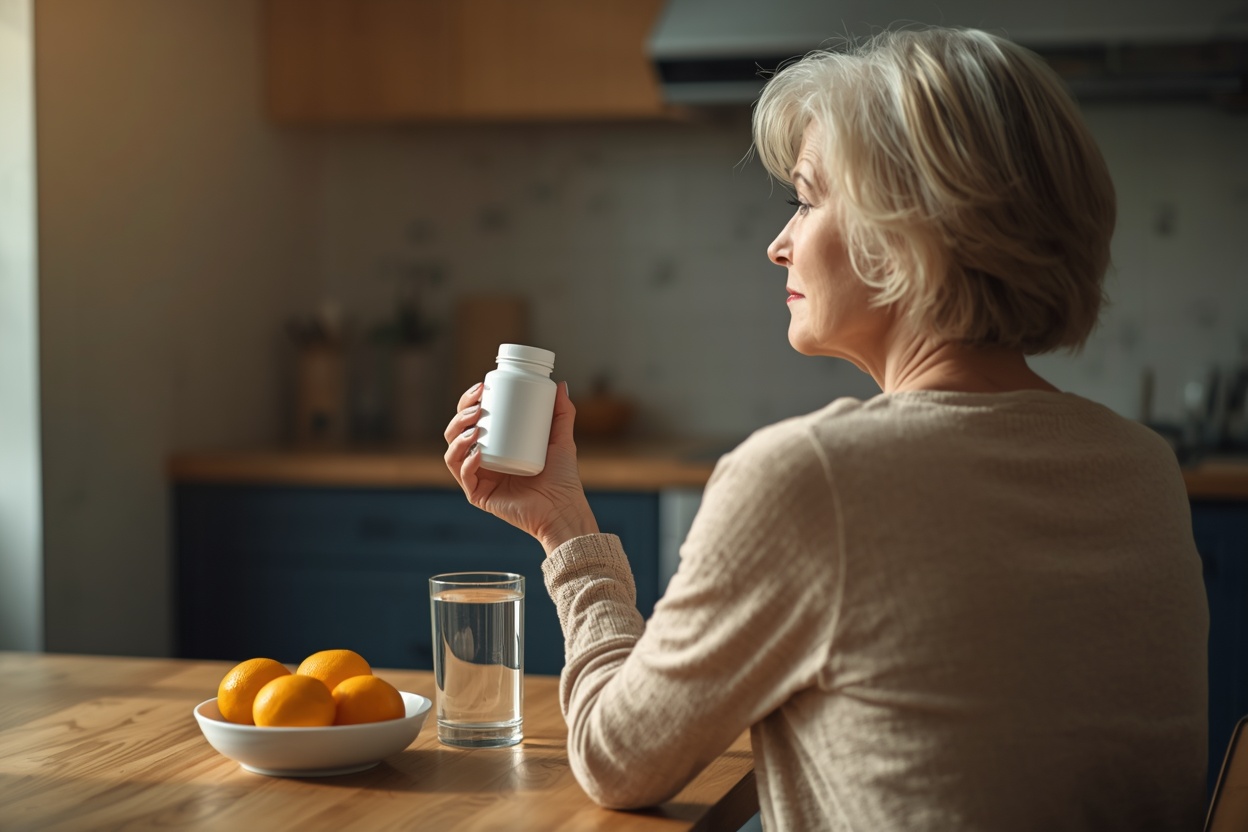
Four ingredients, sorted by what studies found
Each guide checks one ingredient against the human trials: dose, duration, who was studied, and what actually happened.
Vitamin D
The best-evidenced immune supplement step after 50, but only if a blood test says you are low. The protection concentrates in the deficient.
Zinc
Lozenges at the first sniffle, a narrow dosing window, and the two hard rules: nothing past a week, and never up the nose.
Vitamin C
Decades of trials settled the headline: no prevention for ordinary people, modest shortening once the cold arrives, halved incidence for extreme exercisers.
Elderberry
Small trials, shorter colds, thinner evidence than the marketing. A low-stakes optional extra, honestly graded.
Product reviews: labels checked against study doses
We review the immune formulas readers ask about. Every review compares the label to the doses used in human trials, and checks the marketing against what trials actually found.
- TonicGreens review – the full breakdown, plus our checks on its ingredient doses, side effects and the scam question.
Immune questions we cover
Supplements are one tool, and a narrow one. These guides start from the pattern:
- Getting sick often after 50 – what a changing infection pattern means, the habits with real evidence, and when it deserves a workup.
- Your immune system after 50 – immunosenescence in plain English, what is proven to help, and what is hype.
- Immune supplements that work – the evidence-backed shortlist in one place.
Frequently Asked Questions
Do immune supplements actually work?
Two narrow tools have real human evidence, and the rest of the shelf is weaker than its marketing. Vitamin D corrected people with low blood levels: a meta-analysis of 25 randomized trials in over 11,000 participants found supplementation reduced acute respiratory infection risk, with the strongest protection in those who started deficient. Zinc lozenges at high doses started within a day of cold symptoms shortened colds by roughly a third in some meta-analyses, though a more recent Cochrane review calls the evidence inconclusive. Vitamin C does not prevent colds in the general population, though it slightly shortens duration once you have one. Elderberry rests on a small number of short trials. The honest ceiling of this category: modest help with specific problems, for specific people, at specific times.
What is the best supplement for the immune system after 50?
If a blood test shows low vitamin D, correcting it is the single best-evidenced immune supplement step, because deficiency becomes common with age and the respiratory-infection data is strongest exactly where levels are low. Everything else is situational: zinc lozenges at the first day of a cold, vitamin C if you want the modest duration benefit it does carry, elderberry as a low-stakes optional extra. What is not on the best list: broad immune booster blends promising total protection, which no trial supports, and megadoses of anything, which after 50 trade immune theories for real risks like zinc-induced copper deficiency and kidney-stone-prone vitamin C excess. Test first, supplement what is actually low, and let the evidence ceiling set your expectations.
Does vitamin C prevent colds?
No, not for the general population, and this is one of the most solidly established negatives in all of nutrition research. The Cochrane review of vitamin C for the common cold, updated across decades of trials, found regular supplementation does not reduce how often ordinary people catch colds. What it does do: modestly shorten the duration of colds that do arrive, by around 8 percent in adults, and halve the incidence in people under extreme physical stress, such as marathon runners. Sources: Hemila and Chalker, Cochrane Database Syst Rev, 2013. If you take vitamin C, take it for the duration benefit with honest expectations, not because it shields you from cold season.
Do zinc lozenges really shorten colds?
Some analyses say yes, the most rigorous review says maybe. Meta-analyses of specific high-dose lozenge trials found colds shortened by roughly a third to over 40 percent when zinc, typically 80 to 92 mg per day as lozenges, started within 24 hours of symptoms. The 2024 Cochrane review, applying stricter standards, concluded the evidence is inconclusive and zinc may slightly shorten colds. The practical reading: high-dose zinc lozenges are a reasonable, low-risk bet started at the very first symptom, with two hard rules. Do not use them for more than a week, because sustained intake above 40 mg per day depletes copper, and never use nasal zinc products, which have caused permanent loss of smell. Sources: Hemila 2017 meta-analysis; Cochrane 2024.
When should I see a doctor instead of buying immune supplements?
Book a visit for the pattern that matters after 50: infections that keep coming back, last unusually long, or land harder than they used to, because a change in your baseline infection pattern is a symptom worth working up, not a supplement opportunity. That means frequent pneumonias or sinus infections, colds that routinely turn into bronchitis, wounds that heal slowly, or a single infection that takes far longer than expected to clear. Also test before you supplement: a simple blood panel for vitamin D, zinc-adjacent signs and general markers beats guessing, and it prevents the two classic mistakes of this category, correcting a level that was fine and missing a deficiency that was real. Immune supplements support a healthy system; they do not investigate a changing one.