
What is inside Dentavive? Every ingredient checked against study doses
After 50 Strong checked each Dentavive ingredient against published human trials. The label lists five probiotic strains, tricalcium phosphate and inulin. It does not disclose how the 3 billion CFU is split among the strains. That gap matters. Without per-strain counts, you cannot know if you are getting a studied dose or a sprinkle. Here is the honest breakdown.
- Total CFU: more than 3 billion per tablet. Per-strain counts are not disclosed.
- Best-studied strain: L. reuteri. Trials used 1 times 10 to the ninth CFU per day. Source: Lu et al., Oral Health Prev Dent, 2025.
- Halitosis strain: S. salivarius K12. Reduced volatile sulfur compounds in some studies. Not when tongue coating was present. Source: He et al., 2022, PMID 32227309.
- Missing: fluoride, xylitol, and a public certificate of analysis.
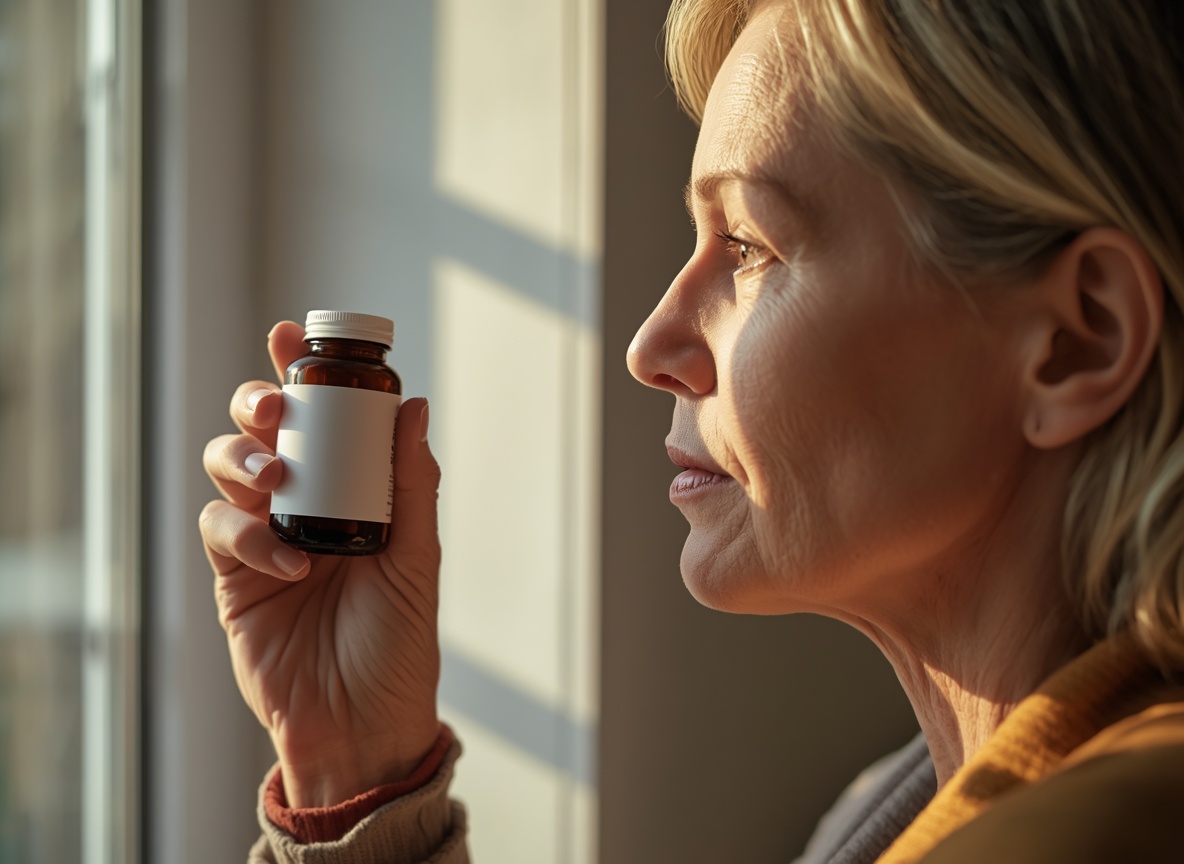
What the label says
One serving is one chewable tablet. The label discloses the following:
- Lactobacillus reuteri
- Lactobacillus paracasei
- Lactobacillus salivarius
- Bifidobacterium lactis BL-04
- Streptococcus salivarius K12
- Tricalcium phosphate
- Inulin
Total probiotic count: more than 3 billion CFU. The label does not state how those 3 billion are distributed. One strain could carry 90% of the count. They could be split evenly. You cannot know. That makes it impossible to compare any single strain against the doses used in clinical trials.
Ingredient by ingredient: what studies used
Lactobacillus reuteri
This is the most researched oral probiotic strain for gum health. A 2025 randomized trial used 1 times 10 to the ninth CFU per day for 8 weeks in 120 patients with periodontitis or gingivitis. Probing depth improved by 35.8%. Sixty-eight point three percent achieved at least 2 mm reduction. Source: Lu et al., Oral Health Prev Dent, 2025.
Earlier trials showed mixed results. Iniesta et al., 2012, found no difference in plaque or bleeding in gingivitis patients. Hallstrom et al., 2013, found reduced Prevotella intermedia counts but no clinical improvement. Teughels et al., 2013, found improved pocket depth and attachment level after 12 weeks. Source: Iniesta et al., 2012; Hallstrom et al., 2013; Teughels et al., J Clin Periodontol, 2013.
The honest question for Dentavive is dose. Does the tablet contain 1 times 10 to the ninth CFU of L. reuteri? Or 1 times 10 to the eighth? Or less? The label does not say. That gap makes the evidence hard to apply.
Streptococcus salivarius K12
This strain is studied for halitosis. A 2022 trial randomized 28 subjects with tongue coating-associated halitosis to K12 or placebo for 30 days. Volatile sulfur compound levels decreased versus baseline. P equals 0.012. However, there was no significant difference versus placebo in the regression model. The authors concluded that tongue scraping is required before K12 works. Source: He et al., 2022, PMID 32227309.
A 2014 meta-analysis found probiotics overall reduce volatile sulfur compounds in halitosis. The effect is modest. Source: PMID 25382889 meta-analysis.
Again, the Dentavive label does not state how much K12 is in each tablet. The halitosis studies used specific doses. Without that number, the comparison is guesswork.
Bifidobacterium lactis BL-04
A 2020 trial by Invernici et al. tested B. lactis HN019 in 30 periodontitis patients for 12 weeks. Pocket depth and clinical attachment level decreased significantly. Porphyromonas gingivalis levels also fell. Source: Invernici et al., PLoS ONE, 2020.
Dentavive uses BL-04, not HN019. These are different strain designations within the same species. The HN019 trial is the closest human periodontal evidence for B. lactis. Whether BL-04 behaves the same way in the mouth is not established in published trials.
Lactobacillus paracasei
This strain has been studied for competitive exclusion of Streptococcus mutans in vitro and in small mechanistic studies. Large human RCTs for gum disease outcomes do not exist. The mechanism is plausible. The clinical trial record is thin. No published trial allows a dose comparison against the Dentavive tablet.
Lactobacillus salivarius
This strain has been studied for bacteriocin production against oral anaerobes in laboratory settings. Human clinical trials for periodontal outcomes are limited. The evidence base is thinner than for L. reuteri. No dose comparison is possible without a per-strain CFU count.
Tricalcium phosphate
This mineral supplies calcium and phosphate ions. It supports enamel remineralization. The research base is strongest for topical application in toothpaste and professional fluoride treatments. The evidence for oral supplementation as a swallowed ingredient is thinner. It is a reasonable formulation addition. It is not an active therapeutic ingredient with RCT backing in supplement form.
Inulin
Inulin is a prebiotic fiber. It feeds beneficial bacteria. No human oral health trials exist for inulin as a standalone supplement for gum disease or cavities. It is a standard prebiotic addition. It is not an active ingredient with direct clinical trial evidence for oral outcomes.
What the label gets right
- All five strains are disclosed by name. No proprietary blend.
- The chewable format is the correct delivery method. Swallowed capsules bypass the mouth.
- L. reuteri and S. salivarius K12 are the most evidence-backed strains in their respective categories.
- The total CFU is stated. That is more transparency than some competitors offer.
What the label hides or gets wrong
- Per-strain CFU counts. The 3 billion total could be 2.5 billion L. reuteri and 0.5 billion everything else. Or 0.5 billion each. You cannot know. That gap makes dose comparison impossible.
- No public certificate of analysis. The CFU count at expiration is not independently verified. Stability data are not published.
- Missing ingredients with stronger evidence. Fluoride and xylitol have the strongest human evidence for cavity prevention. Neither is in the formula.
- Strain designation mismatch. B. lactis BL-04 is not the same as HN019, the strain tested in the 2020 periodontal trial.
How to read a probiotic label
Three numbers matter. The total CFU at expiration, not at manufacture. The per-strain CFU. And the specific strain designation, such as BL-04 or HN019.
Manufacture CFU is higher than expiration CFU. Bacteria die on the shelf. A label that only lists manufacture CFU is telling you the starting count, not what you will get in month three. Dentavive states more than 3 billion CFU. It does not specify whether this is at manufacture or expiration.
Per-strain CFU lets you match the dose to the study. If a trial used 1 times 10 to the ninth CFU of L. reuteri, and your tablet contains 1 times 10 to the eighth, you are getting one-tenth the studied dose. Without that number, you are buying blind.
Strain designation matters because different strains of the same species behave differently. L. reuteri DSM 17938 and L. reuteri ATCC PTA 5289 are both L. reuteri. They have different study records. Dentavive does not list strain designations for L. reuteri, L. paracasei or L. salivarius. Only B. lactis BL-04 and S. salivarius K12 carry designations.
The bottom line on the label
Dentavive discloses more than many oral probiotics. It names every strain. It states a total CFU. It uses the right delivery format. But it stops short of the transparency that lets a buyer verify value. The missing per-strain counts, the missing expiration CFU, the missing certificate of analysis, and the missing fluoride and xylitol all matter.
If you want a probiotic with fully disclosed per-strain doses and a deeper evidence base, BioGaia Prodentis lists two L. reuteri strains with specific CFU counts and, the manufacturer states, more than 70 clinical studies behind them. If you want cavity prevention, fluoride toothpaste and xylitol gum have stronger human evidence than any probiotic on the market. For the full verdict on this formula, read our Dentavive review. For the wider comparison, see our Oral Health Supplements: What Works guide and our oral health hub.
Frequently Asked Questions
What probiotic strains are in Dentavive?
Dentavive lists five probiotic strains: Lactobacillus reuteri, Lactobacillus paracasei, Lactobacillus salivarius, Bifidobacterium lactis BL-04 and Streptococcus salivarius K12. It also contains tricalcium phosphate and inulin. The total CFU is stated as more than 3 billion per tablet. The label does not disclose how the 3 billion CFU is split among the five strains.
Is Dentavive dosed correctly for gum health?
It is impossible to tell. The label states more than 3 billion CFU total. It does not state how much Lactobacillus reuteri, the most studied strain, receives. The 2025 Lu trial used 1 times 10 to the ninth CFU of L. reuteri alone. Dentavive may contain that amount. It may contain far less. Without per-strain disclosure, no comparison is possible.
What does the Dentavive label hide?
Three things are missing. One: per-strain CFU counts. The 3 billion total could be mostly one strain or evenly split. That matters for matching study doses. Two: a public certificate of analysis. The CFU count at expiration is not independently verified. Three: the guarantee terms conflict. The sales page says 60 days. The refund policy says 180 days.
Does Dentavive contain fluoride or xylitol?
No. The ingredient list contains five probiotic strains, tricalcium phosphate and inulin. Fluoride and xylitol, the two ingredients with the strongest human evidence for cavity prevention, are not in the formula.
What is the studied dose of Lactobacillus reuteri for gum health?
Trials have used doses from 1 times 10 to the eighth to 1 times 10 to the ninth CFU per day. The 2025 Lu trial used 1 times 10 to the ninth CFU per day for 8 weeks in patients with periodontitis or gingivitis. Probing depth improved by 35.8%. Source: Lu et al., Oral Health Prev Dent, 2025.